
“Krypton didn’t die in a day. The gods are not that kind.”
The story of Supergirl is one of tragedy, trauma, and perseverance, which makes this movie such a bold choice by DC Studios to follow up the bright and hopeful Superman and serve as the second film in James Gunn’s new DCU. On paper, choosing a Supergirl movie instead of one of DC’s more universally popular characters like Batman or Wonder Woman may not seem ideal. However, Gunn appears to be building a different kind of universe, one that is more artist-friendly and character-driven. Supergirl is the first real test of that initiative, as the first DCU film not directed by Gunn himself. Armed with a director known for stories about damaged heroines and a lead actor with a lot to prove, can this film meet the high expectations and defy the unnecessary pressure placed on it?
Supergirl is both stirring and frustrating. Its highs are genuinely high, especially Milly Alcock’s wounded, magnetic performance as Kara Zor-El and the emotionally devastating Krypton sequences. But its lows are hard to ignore: a bland villain, uneven pacing, and adaptation choices that often blur the emotional focus of the story. The result is a film that soars when it centers Kara’s grief, but stumbles whenever it tries to balance cosmic revenge story, franchise setup, and punk-rock space western all at once. The tragedy of Supergirl is that it is not bad. It is simply fine — and in the current superhero landscape, fine may not be enough.

The film follows Supergirl in a story that is True Grit meets Guardians of the Galaxy as she joins an unlikely companion, Ruthye Marye Knoll, on a quest for revenge. The ruthless Krem of the Yellow Hills takes everything from Ruthye and, along the way, makes the fight personal for Supergirl. The pair must track down the monster while also learning to work together, as Ruthye, and the audience, discover that Supergirl is a very different kind of hero from her Kryptonian cousin, Kal-El. Along the way, we learn the tragic tale of Krypton and how the weight of trauma has burdened the heart of our titular heroine. When the universe feels too big and the odds seem overwhelming, can the Woman of Tomorrow find it in herself to become the hero she never believed she could be?
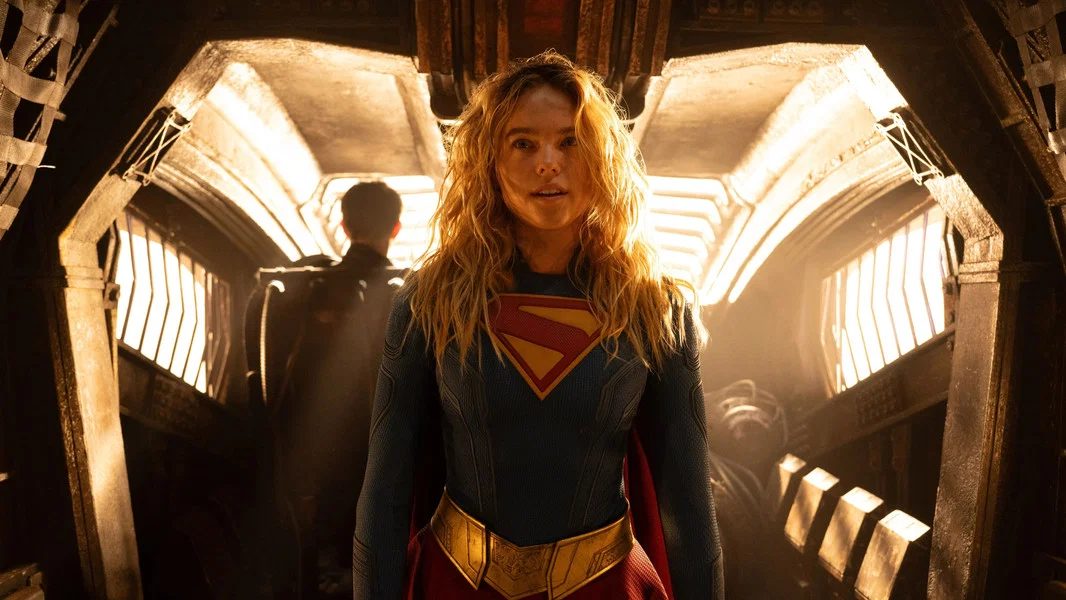
Milly Alcock stars as Kara Zor-El/Supergirl in a movie that explores a hero who is messy, damaged, and still capable of being good. Based heavily on a fan-favorite comic series, the story opened many fans’ eyes, both new and old, to the horror of Kara’s backstory. Alcock is a revelation in this film, giving us a Supergirl unlike any other live-action iteration. She is a natural talent, able to convey the weight of Kara’s trauma while still making her feel like a larger-than-life superheroine. To fully explain the complexity of Kara’s pain would spoil the film, so all I will say is that Kara carries the weight of an entire people on her shoulders while still dealing with the insurmountable loss she has experienced. Alcock takes this backstory and uses it to turn Supergirl into a character who transcends the role of heroic role model, giving us a Kara who feels relatable not because she is perfect, but because she is deeply human.
What makes this work even more is seeing Kara’s rough, prickly persona juxtaposed against the wholesome kindness of David Corenswet’s Superman. The cousins share a few scenes together, and their chemistry is, well, super. David pops up on screen, and you instantly smile. His presence is warm and welcoming. Kara talks about how Clark may be older, but his heart is light, while hers is heavy, and I couldn’t help but empathize with her. As someone who has also suffered great loss, I understand how that pain lingers.

When we meet Kara, she is deeply isolated. She is a cosmic loner struggling to find meaning in the universe and a place to call home. Clark is constantly trying to reach out and be there for her, but Kara just doesn’t feel like she belongs anywhere. Throughout her journey, she is able to bear her scars, emotionally connect with someone, and truly allow healing to begin. She is a hero who speaks to the broken, the fighters, and the flawed but good. Alcock conveys all of this with nuance, showing a strong range of emotion without ever losing Kara’s edge. It is a larger-than-life character that she makes feel tangible and real. I think audiences will fall in love with Alcock’s Kara, and I cannot wait to see more of her in the DCU moving forward.
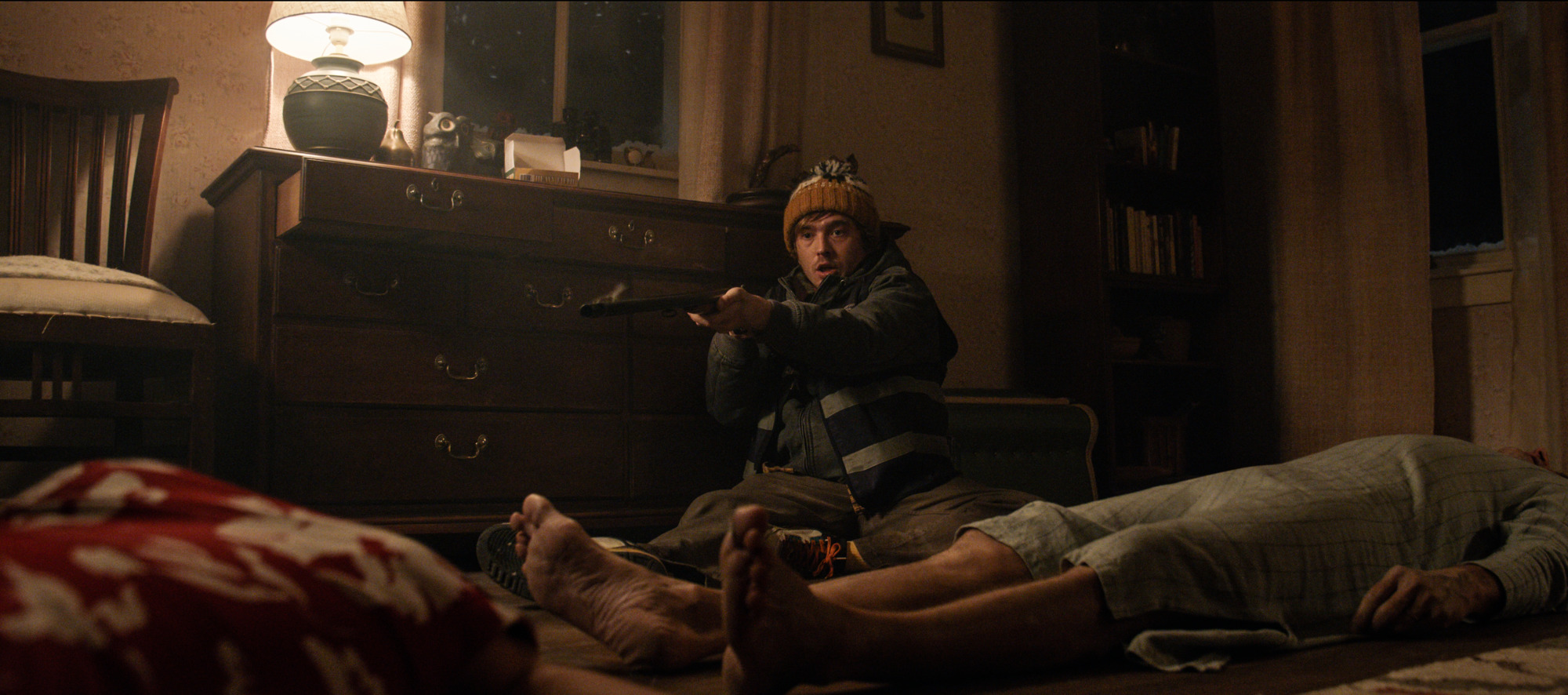
The film has a solid cast overall, with one or two exceptions. I really enjoyed Eve Ridley as Ruthye Marye Knoll. The young actress does all that she can with the role, even as the film strips away some of Ruthye’s tragedy to emphasize Kara’s reason for joining the quest. Ruthye is a great foil for Supergirl. Like Kara, she has lost everything, except her wounds are still fresh. She is burdened by guilt after standing by, paralyzed in fear, as her world crumbled around her. Now she uses anger as a shield to bury her overwhelming grief and become brave enough to seek revenge. That is a lot to put on a young performer, but Ridley is up to the task and plays off Milly Alcock very well.

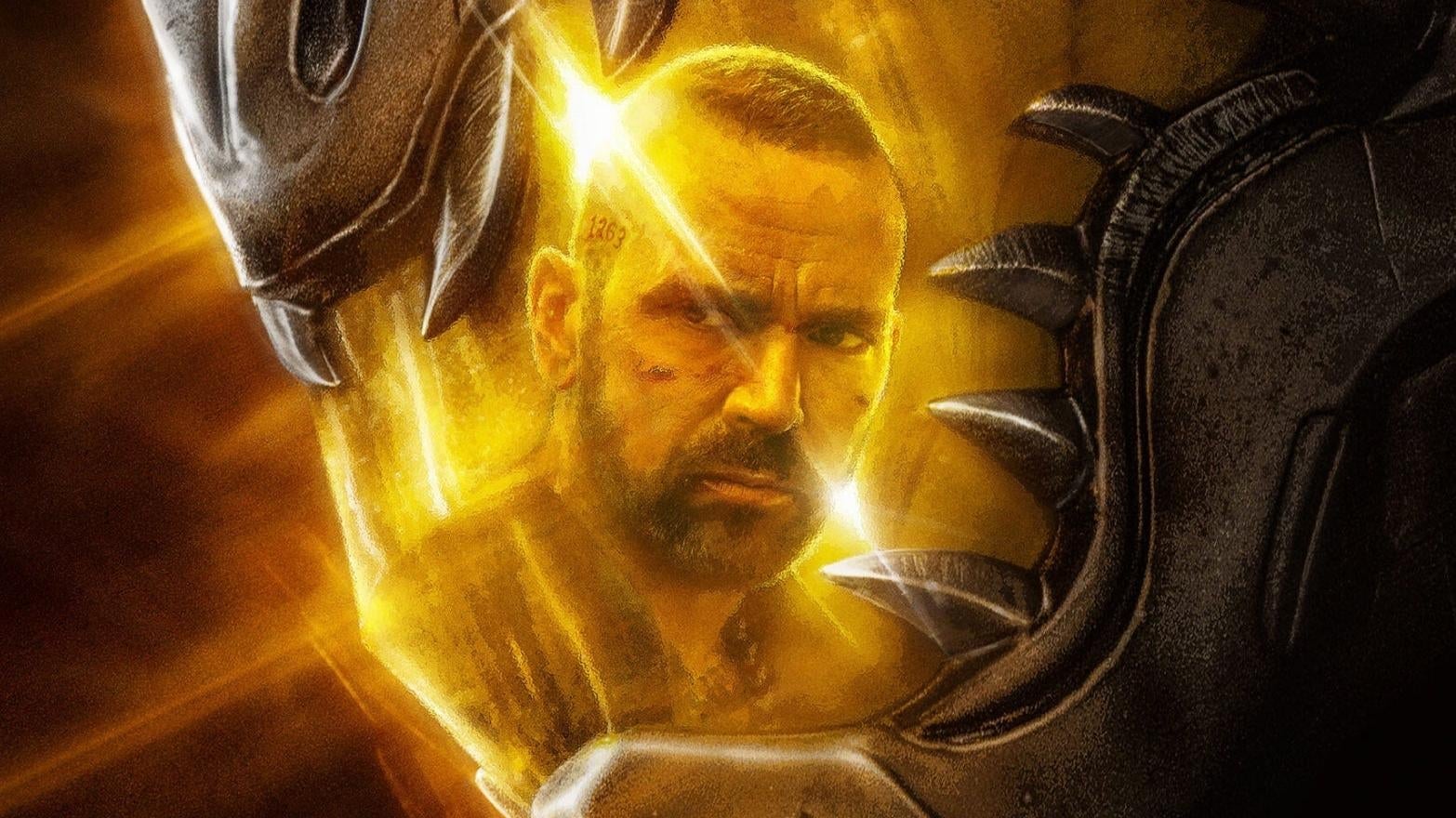
The same cannot be said of the villain of the piece, Krem of the Yellow Hills, whose story and appearance differ significantly from the source material. The issue is not simply that the film changes Krem. Adaptations should be allowed to change things. The problem is that the changes make him far less interesting. In the source, Krem is a great bastard of a man who serves as the perfect antagonist in a story about revenge. He is vain, cruel, cowardly, and hateable in a very specific way. Here, he feels like Krem in name only. They strip him of the swords, arrows, and shallow vanity that define him and replace them with generic super strength, tech crossbows, and an overdesigned visual appearance that borders on distracting.

Matthias Schoenaerts never finds a way to elevate the character beyond the generic writing and heavy prosthetics. I am still trying to figure out whether the problem is the script, the design, or a performance that never quite finds a way through either. Whatever the reason, Krem is one of the weakest parts of the film. He should be a monster you love to hate, but instead he feels like an obstacle the movie needs to move through.
There are two major supporting characters worth discussing. Let’s get the elephant in the room out of the way first: Jason Momoa debuts as the Main Man, Lobo, and he is…fine. After years and years — and years — of stating his desire to play the alien a-hole, Jason Momoa finally gets to don the black leather and white makeup. If you are a fan of Jason Momoa doing Jason Momoa, then you are in luck. In Supergirl, Jason Momoa is the most Jason Momoa he has ever been since the last time he was Jason Momoa.

My problem is not with the performance so much as it is with the inclusion of the character in the first place. Lobo feels shoehorned into the story simply to introduce Momoa in the role. His inclusion in the finished movie does not really affect Kara, Ruthye, or the outcome in any meaningful way. There are times when he just shows up, chomps on his cigar, drops a one-liner, and the movie expects us to accept that this matters because we recognize who he is. It feels less like a character serving the story and more like franchise setup interrupting it.
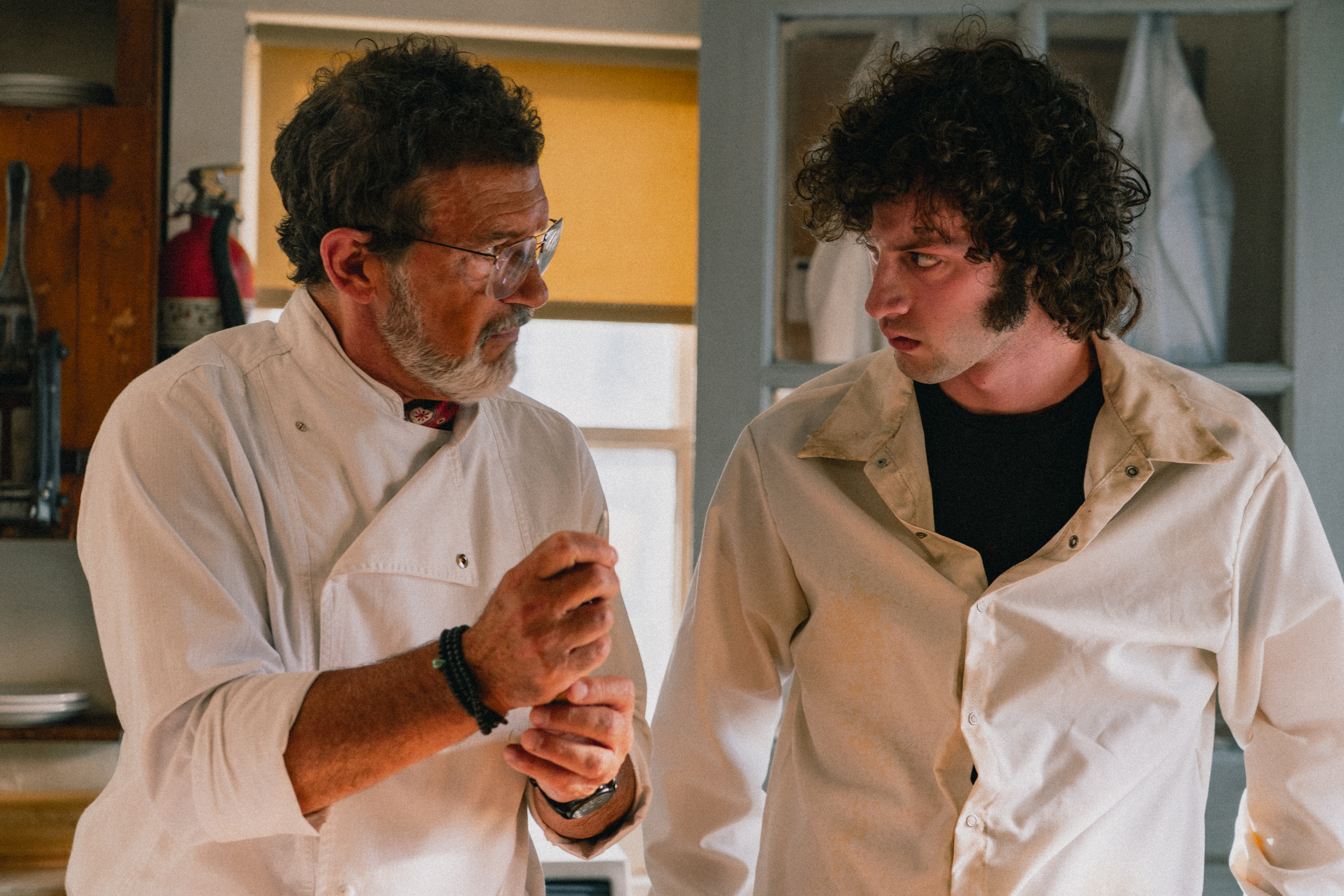
The huge standout for me was the reliable ace David Krumholtz, who delivers a small but powerful performance as Kara’s father, and Superman’s uncle, Zor-El. I was so impressed with Krumholtz’s subtlety. There is a moment when bad news is delivered to his family, and he stands in the background upright and brave, but you can see the slightest quiver in his lip, and it guts you. What makes Krumholtz’s work even more impressive is that all of his dialogue is spoken in a fictional language, yet the words land just as hard. I also have to give flowers to Emily Beecham, who plays Kara’s mother, Allura. Both actors add warmth as parents who are doing their best to give their daughter a normal life in abnormal times. A lot of what works in the film hinges on these performances landing, and thankfully, they do.

The film is directed by Craig Gillespie from a screenplay by Ana Nogueira. On paper, Gillespie seems like the perfect choice to direct this film, having made a name for himself with I, Tonya and Cruella, two visually distinct movies led by damaged female protagonists. But Supergirl lacks the confident vision of those films and instead feels like a movie lost in the edit. It wants to honor the story it is based on, but it also wants to break away and become its own version of that story. Those impulses are not inherently incompatible, but here they clash more often than they complement each other.
The issue is not that the film changes Woman of Tomorrow. The issue is that some of those changes shift the emotional weight away from Ruthye, which makes the revenge story feel less intimate and Kara’s decision to join her quest feel less earned. The first act moves too quickly to let Ruthye’s tragedy land with the full weight it needs. When the film centers on this moment, it should have been allowed to breathe, or at least included an extra scene introducing us to the Knolls and showing their family dynamic. I think the intention was to get us to Kara faster, but in doing so, the film fails to realize that this story needs to belong to Ruthye as well.

That pacing issue returns in the third act, where the movie races toward emotional catharsis before the Kara and Ruthye relationship has fully developed enough to make every beat land the way it should. There are scenes that feel like they are missing, and I would have gladly added another 15 or 20 minutes if it meant spending more time with Kara on Argo City or including one more meaningful scene of Ruthye and Kara slowly learning to trust each other. The emotional material is there, but the film does not always give it enough room.
I am really curious to see what Ana Nogueira’s original screenplay for the film looked like. There are story elements here that significantly alter the overall themes and message of Woman of Tomorrow, and in my opinion, many of those changes are for the worse. I wonder how much of that was in the original script and how much was shaped in the edit or altered by Gillespie’s desire to make the movie feel more like his own.
One of the things that really impressed me about Supergirl was the heavy use of practical sets and effects. That choice helps the movie feel different from Superman, and production designer Neil Lamont was up to the task of creating a sprawling cosmic world that still feels tangible. Argo City is especially impressive, with Art Deco architecture that makes it feel regal, sophisticated, and lived in. It is no small task creating multiple alien worlds from the ground up, so props have to be given to the team for making the universe feel tactile. It makes a huge difference throughout the film, from the emotional scenes to the action set pieces.

Costume designer Anna B. Sheppard also nails most of the film’s looks. She closely adapts certain designs from the book while still giving the characters a cinematic texture. I love that Kara spends much of the film in a trench coat and Blondie T-shirt. The costumes tell us so much about the characters, which is all you could ask for from a costume designer. Kara’s look is messy, layered, and unapologetic, just like her. When she finally puts on the super-suit, it does not disappoint. The overall look is excellent. It moves extremely well and feels thinner, less bulky, and less over-padded than most modern superhero suits. It feels as close to the comic as possible, and that is appreciated.
The needle drops are fun, and I think they work for the most part. There was maybe one that felt like too much, but beyond that, I had a lot of fun with the film’s musical personality. The movie leans into a gritty punk-rock tone, and the music does a lot of heavy lifting in establishing that attitude. I also really enjoyed the score. Composer Claudia Sorne does an excellent job giving Kara heroic themes that emerge as she begins to embrace the hero she has been running from.

While there are major issues with the film’s story, pacing, and adaptation choices, there is still a lot to love here. Supergirl is an okay film, one that I would happily watch in a theater on a hot summer day. It stands alone while fleshing out a few more pieces of the larger DC Universe, and it gives us a phenomenal performance from its lead. In some ways, it is very reminiscent of the early MCU movies: imperfect, slightly uneven, but carried by strong casting and the promise of something bigger ahead.
I’m just afraid that being good is not good enough anymore in this genre, especially for female-led superhero films. At a time when superhero movies continue to trend lower at the box office, can an okay movie make enough waves to succeed? That is what Supergirl will be the true test of. Can audiences rally behind this unconventional, damaged hero and keep the DCU moving forward? I think they can, and I hope they will.

Supergirl may not be the great, undeniable statement DC Studios needed, but it does prove one very important thing: Milly Alcock is the right Kara Zor-El. The movie around her is uneven, occasionally frustrating, and never as sharp as the story it is adapting, but when it locks into Kara’s grief, anger, humor, and reluctant heroism, it finds something powerful. This is not the fully realized Woman of Tomorrow I hoped for, but it is a compelling introduction to a broken, beautiful hero worth following into the future of the DCU.

Leave a Reply